The landscape of Engineering, Procurement, and Construction (EPC) is undergoing a monumental shift. As industrial projects grow larger, more complex, and tightly regulated, traditional execution models are falling short. Today, the integration of digital tools and modular workflows is not just an advantage—it is a necessity.
1. The Rise of Digital Twins & BIM
A Digital Twin is a virtual replica of a physical asset, such as a water treatment plant, refinery, or manufacturing facility. By utilizing Building Information Modeling (BIM) to create highly detailed 3D models integrated with real-time operational data, engineers can stress-test systems before a single column is fabricated.
At Projexel Engineering, we utilize advanced design interfaces to simulate operational flows, pipe routing, and structural loads. This eliminates up to 90% of on-site design conflicts, drastically reducing costly re-work and scheduling setbacks.
"By simulating the physical plant virtually before construction begins, we can foresee and mitigate conflicts that would otherwise cost thousands of dollars to fix during field erection."
2. Prefabrication and Modular Construction
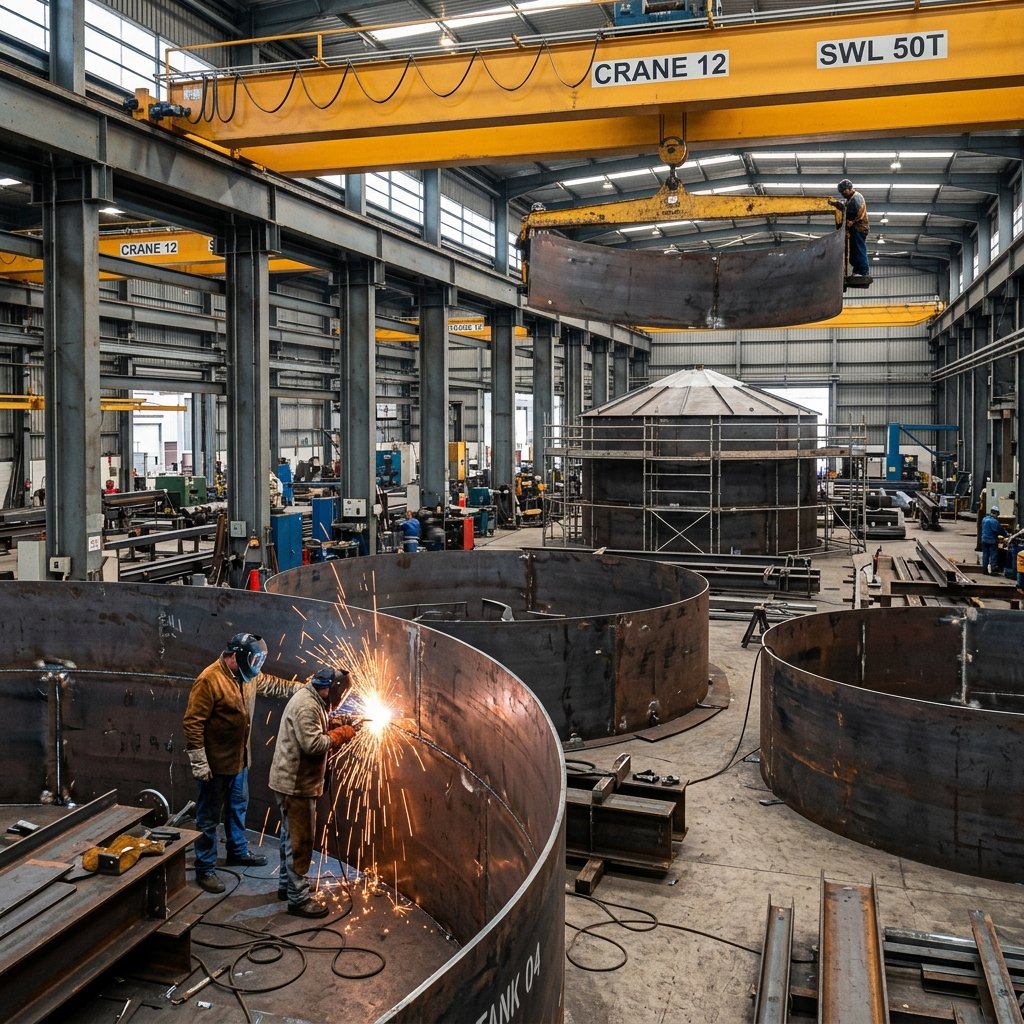
Instead of building entire plants piece-by-piece in unpredictable field conditions, modern EPC contractors are shifting towards off-site modular assembly. Piping skids, structural platforms, and electrical enclosures are fabricated, pre-wired, and fully tested in our controlled shop facilities before being shipped to site.
Key benefits of modular construction include:
- Uncompromising Quality: Welding, coating, and assembly are executed under strict factory quality controls.
- Parallel Workstreams: Site excavation and civil works proceed simultaneously with off-site fabrication, slashing project timelines by up to 30%.
- Minimized Site Interruption: Delivery of complete, plug-and-play skids reduces labor congestion on active industrial sites.
3. Decarbonization and Sustainable Engineering
Sustainability is no longer a footnote in industrial tenders. Clients are demanding designs that minimize carbon footprints, optimize energy usage, and prioritize waste heat recovery. Modern mechanical systems are engineered with variable frequency drives, optimized pipe diameters to minimize friction losses, and advanced insulation systems to conserve thermal energy.
Conclusion
The future of EPC belongs to companies that can seamlessly merge engineering precision with digital foresight. As Projexel continues to expand its digital engineering capabilities and state-of-the-art heavy fabrication facilities, we remain committed to delivering turnkey solutions that are faster, safer, and fully optimized for the demands of tomorrow.